
Postpartum Recovery: CHiropractic care is More Than Just “Getting Your Body Back”
This guest post is written by Dr. Melissa Garcia, owner and chiropractor at Powerhouse Chiropractic in Olympic Village.
You just had a baby. Everyone is asking how the baby is doing, but how are you doing?Pregnancy, birth, and those first months with a newborn can be a lot on your body. Your core feels different, your back might ache from feeding and carrying, your hips may feel uncomfortable, or you may be wondering when and how you can start feeling strong again.
And if you had a C-section, you may have a scar that has healed on the outside but still feels tight, sensitive, or simply different.
As a mom myself, I understand how easy it is to put your own recovery on the back burner. There is always another feeding, another diaper, another nap to catch up on. But your recovery matters, too.
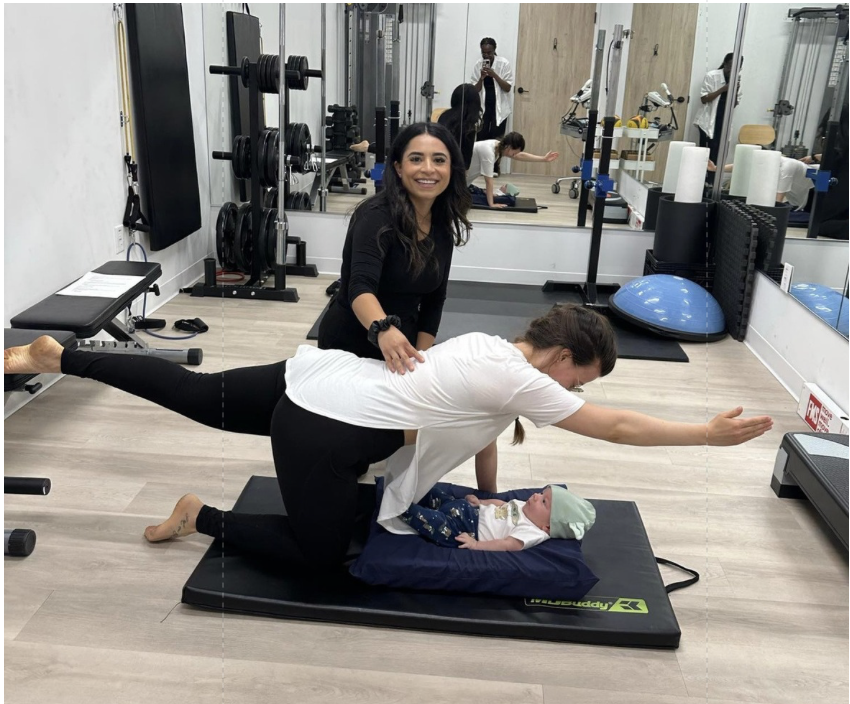
You Don't Have to Wait Until Something Is Seriously Wrong
Maybe you're thinking:
"My back hurts every time I pick up my baby."
"My stomach still feels weak."
"My C-section scar feels tight."
"I want to exercise again, but I don't know where to start." "I just don't feel like myself physically."
"I still pee my pants when I sneeze."
These are all good reasons to have your body assessed.
Your Body Has Been Through a Lot
During pregnancy, your abdominal wall stretches, your posture changes, and your muscles and joints adapt to support a growing baby. Birth adds another physical demand, and then suddenly you're spending your days lifting, carrying, feeding, and rocking a newborn.
It is completely normal for your body to feel different postpartum.
But common doesn't mean you have to live with pain, weakness, or discomfort.
Postpartum recovery isn't about getting your "old body" back. It's about helping your body feel strong, capable, and supported in this new stage of life.
How Can Chiropractic Care Help After Having a Baby?
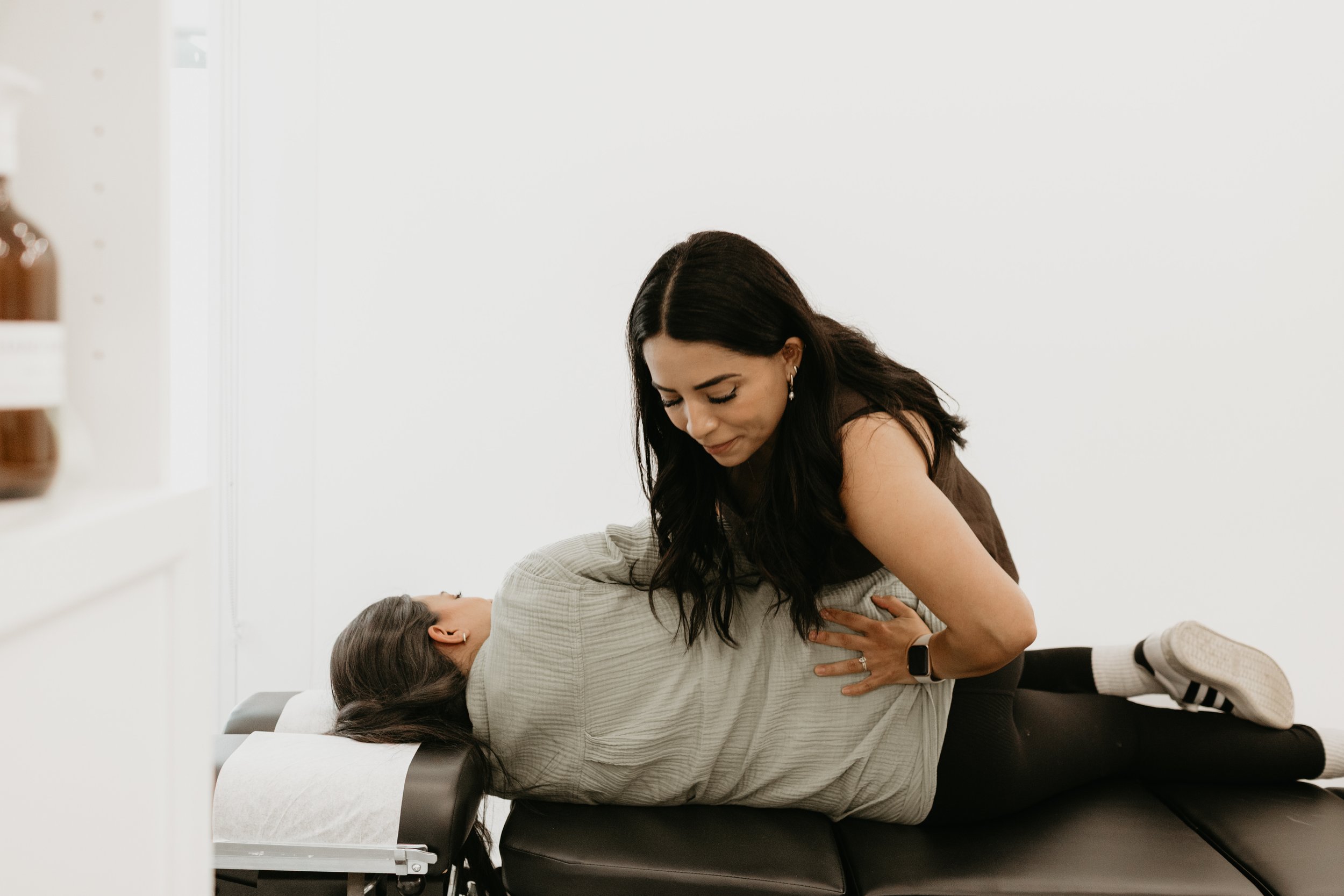
Postpartum chiropractic care can help assess and manage a variety of musculoskeletal concerns, including:
Neck, upper, and lower back pain from feeding, carrying, and holding your baby
Headaches that may be associated with neck and upper-body tension
Jaw pain and tension
Wrist and hand pain from frequently holding, feeding, and lifting your baby
Shoulder and upper-back tension from nursing, pumping, and prolonged feeding positions
Hip, knee, ankle, and other extremity pain that may develop during pregnancy or postpartum
General aches, stiffness, and movement restrictions as your body adapts to the physical demands of motherhood
Your postpartum recovery is unique to you. You don't have to simply accept pain or weakness as part of being a new mom.
With the right support, you can work toward feeling stronger, moving more comfortably, and feeling more confident in your body again.
What About Diastasis Recti?
One of the most common questions we hear is:
"Do I have diastasis recti, and what can I do about it?"
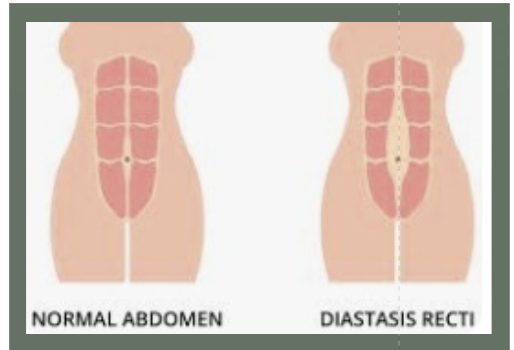
Diastasis recti involves changes to the connective tissue between the abdominal muscles as your abdominal wall adapts during pregnancy.
You may notice abdominal doming or coning, a feeling of weakness through your core, or simply that your abdomen doesn't feel the way it used to.
But postpartum core recovery is about more than measuring the space between your muscles.
We want to look at the whole picture: your symptoms, strength, abdominal-wall function, movement, and what you want to get back to doing.
What About a C-Section Scar?
A healed C-section incision doesn't necessarily mean you're completely recovered.
Some women notice tightness, sensitivity, altered sensation, a pulling feeling around the scar, or a shelf-like appearance even months after birth.
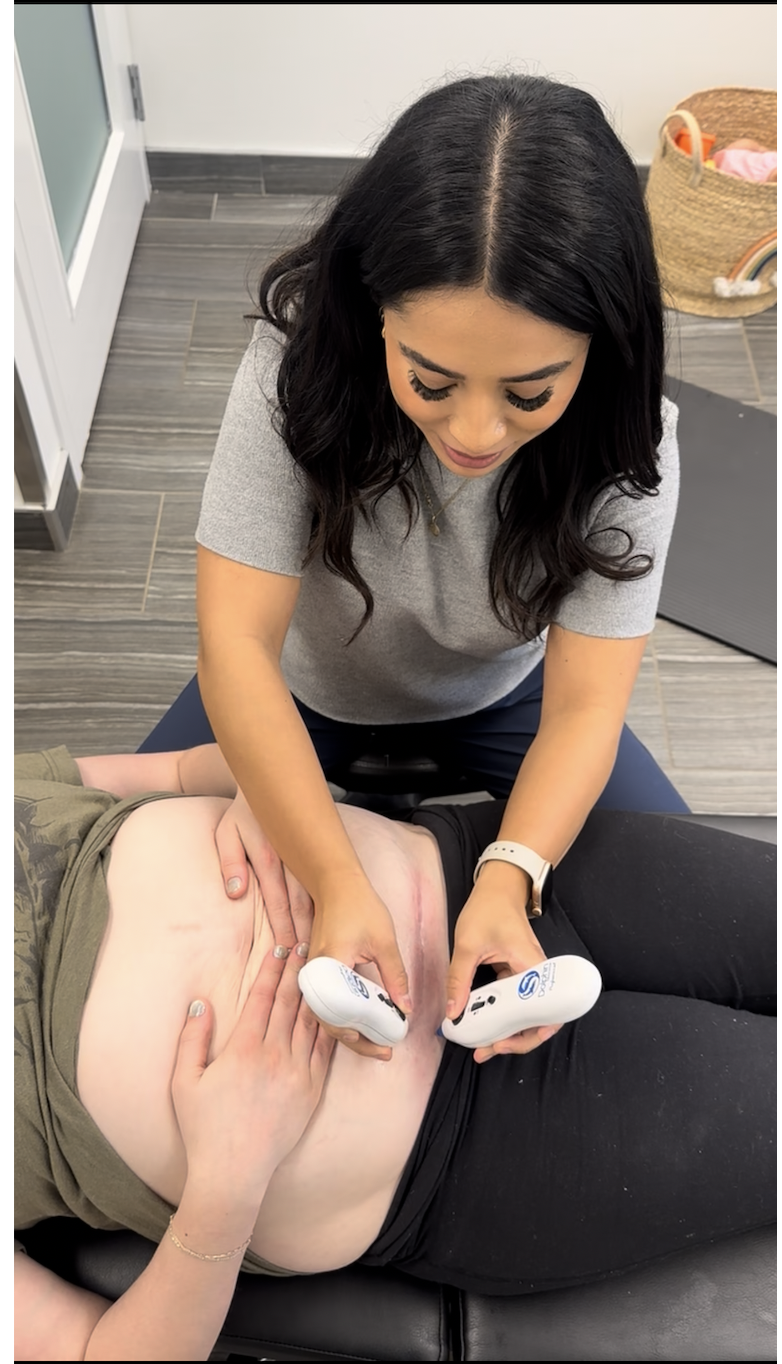
When appropriate, postpartum care can include assessment and treatment of the scar and surrounding tissues, along with rehabilitation to help restore comfortable movement and abdominal function.
Depending on your individual needs, treatment may include soft-tissue techniques such as Graston, cupping, or MPS, alongside active rehabilitation.
The goal isn't simply to "fix" your scar.
It's about helping you feel comfortable and confident in your body again.
Postpartum Rehab Is About More Than Your Abs
Your core doesn't work in isolation.
Postpartum rehabilitation may involve your:
Core • Pelvic Floor • Hips • Spine • Breathing • Strength • Mobility
Customized postnatal rehabilitation and chiropractic care can help support your recovery, rebuild core strength, and address common aches, pains, and areas of discomfort that can come with caring for a new baby.
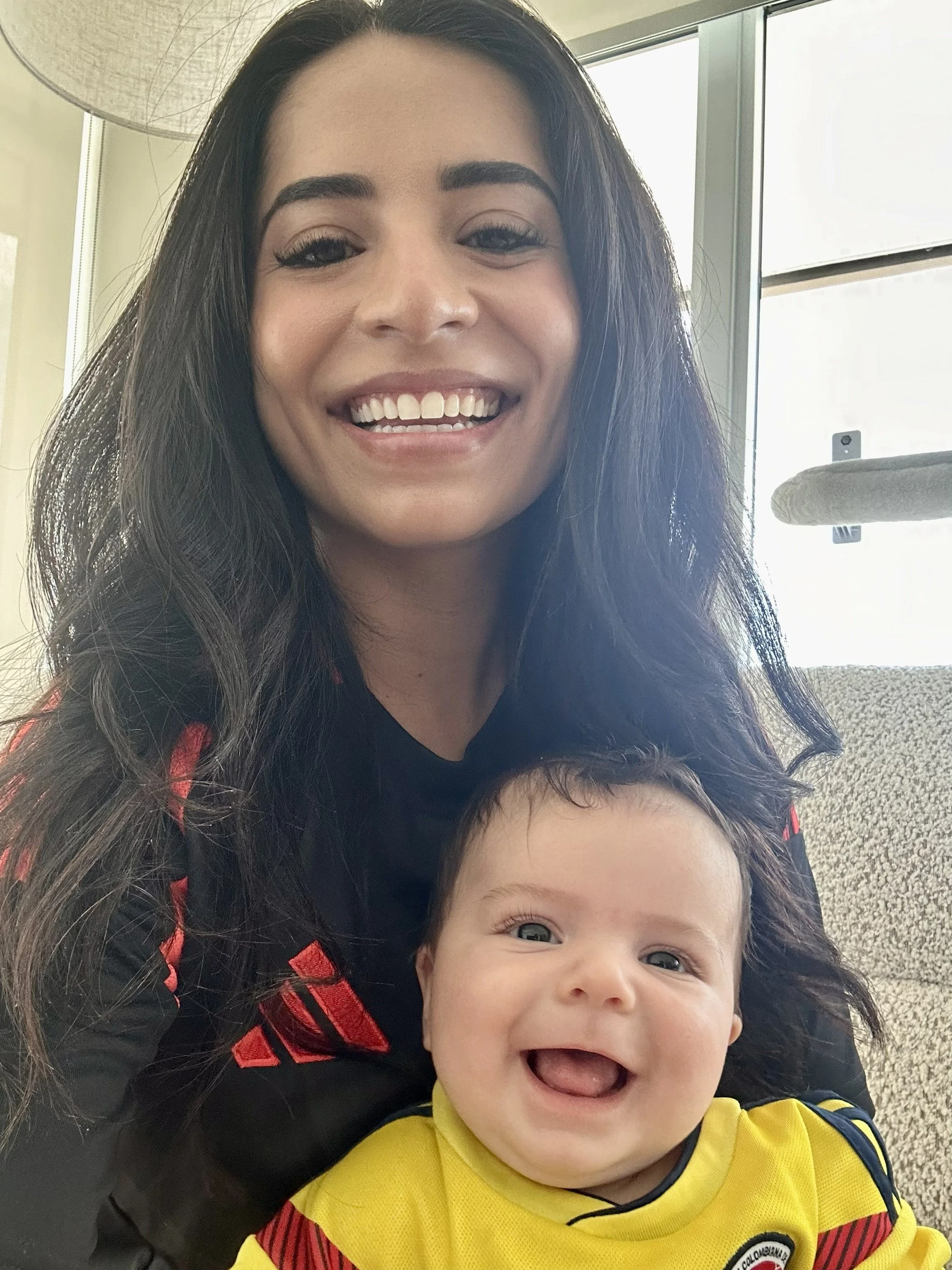
Dr. Melissa Garcia
Dr. Melissa Garcia, DC is the owner and chiropractor at Powerhouse Chiropractic in Olympic Village, Vancouver. As a mom herself, she understands firsthand how much pregnancy, birth, and caring for a newborn can impact your body and how easy it is to put your own recovery last.
Dr. Melissa has helped hundreds of moms throughout their pregnancies and postpartum journeys, as well as their babies, and is passionate about providing personalized care for the whole family. She has a special interest in prenatal, postnatal, and pediatric care, helping moms feel strong, supported, and comfortable through every stage of motherhood.
Learn more at www.powerhousechiropractic.ca or follow @dr.melissagarcia and @powerhousechiropracticvan on Instagram.
