
The Summer We Actually Need: How to geT on board with the 90's Summer Trend… MotherFlock-Style
If you're on Instagram, you've probably seen the "How to have the perfect 90's summer" posts everywhere. Grainy home videos. Kids running through sprinklers. Melting freezies. Dirty feet and beach towels. Bikes left on front lawns. Ice cream after dinner. Long evenings with nowhere to be. I mean, doesn’t that all sound lovely?
And understandably, it's resonating hard right now. But here's the thing: the aesthetic isn't really the point. The real gift buried in that trend is permission - permission to say a big F-U to the pressure of doing All The Things this summer. The bucket list. The road trip. The five festivals. The perfectly documented "best summer ever." Because if we try to do all that, we’ll end up burnt out and needing a holiday by the time summer is done. So how can we take what we need from this, and leave what we don’t?

Why it's landing
The 90's didn't have this pressure. There was no algorithm demanding proof you were living your best life. Summer was just... summer. Slow, a little boring, mostly unplanned.
We look back on that time with rose-tinted glasses - the boredom and sibling fights have faded, and what's left is the sense that there was more playfulness, freedom, and connection. Our parents weren't tending to every need at the drop of a hat, and that turned out to be a good thing (this is the same idea behind our "Good Enough Parenting" piece).
Honestly, I think the 90's trend is landing because mothers are tired. Every season has quietly become another "should." Summer especially: the camps (seriously, the childcare situation is rough), the bucket lists, the beach packing, the family adventures, the U-pick farms, the festivals, the must-do outings, the snacks, the sunscreen, the photos.
It's not just about doing fun things - it's about carrying the invisible responsibility of making sure everyone else has the best summer ever, while you end up with more on your plate.
We're over it. Maybe what we're really craving isn't the 90's - maybe we're craving less pressure.
The trap to watch for
Here's the catch: if we're not careful, we'll turn "having a low-key summer" into another item on the to-do list. Which I think is why when we see these posts, it can quickly feel overwhelming. Before we know it, we're subconsciously trying to hit all 30 of the 90's summer "must-do's" so we feel like we did it right.
Should we buy the matching swimsuits? Hit the dollar store to set up a full craft station? Plan more spontaneous adventures? (Yes, that's as impossible as it sounds.)
But we don’t have to. Pick one thing you vibe with, and start there.
This isn't about recreating a picture-perfect version of a simpler life. It's permission to choose what feels easy instead of impressive - to stop measuring summer by how many activities got squeezed into it. Kids don't need a childhood filled with constant entertainment. They need one that feels relaxed.
So instead of adding another "should," just ask yourself: What's one thing I can do (or not do) this week that makes summer feel lighter?
That's it.
(And if you want to lean in further: this month's "Get Your Pink Back" Challenge” for members-only, is all 90's-themed - and is set up to be a low-pressure way to bring some of that joy into your month.)
Five ways to get in on the 90's Summer magic, MotherFlock-style
1. No agenda, lots of unstructured play Skip the packed activity list and the Pinterest crafts. Weekends that are free, stay free. A couple of hours to kill? See what the kids come up with on their own - the benefits of unstructured play are immeasurable. If you need a little more adventure, pick a location with no itinerary: skip rocks at Whytecliff Park, hunt for crabs at low tide on a new beach, hit up a U-pick farm, or watch the ferries at Horseshoe Bay. Some of the best summer days cost nothing.
2. Get outside - including for dinner Kids spend way more time indoors than they did in the 80's and 90's. Try to get outside before or after dinner: a quick play in the garden, the balcony, a walk to the park, or a family picnic. Order pizza and eat it on a blanket while the kids chase each other around. Keep the pressure and expectations low - the meal doesn't have to be memorable, the company is.
3. Become a regular Develop a low-key summer ritual instead of chasing a new destination every weekend. Same coffee shop, same farmers market, same beach - Spanish Banks, Ambleside, Buntzen Lake, whatever's yours. Same blanket, same snacks, maybe a Friday sunset tradition. Doing something over and over is what creates the memories, and it lowers your mental load. Kids remember the rituals far more than a checklist of beaches.
4. Trade expensive outings & trips for neighbourhood adventures What does your toddler actually want? The park. The same swing. The splash pad. So lean in: walk to the local playground, ride bikes around the block, grab slurpees from the corner store, or check out a park or ice cream shop that's just ten minutes further than you normally go. Our city is full of little adventures hiding in plain sight.
5. Music and books instead of screens This is probably the biggest shift since the 90's. There's still a place for screens - snapping photos, FaceTiming grandma, Friday movie night, and of course, a few episodes of Bluey when you need a moment of peace. But we can try to be mindful: take one photo instead of fifty, start a family reading time after dinner, renew the library books weekly, build a routine or boundaries with your screent time, or build yourself a nostalgic playlist. Let yourself experience summer instead of documenting it.
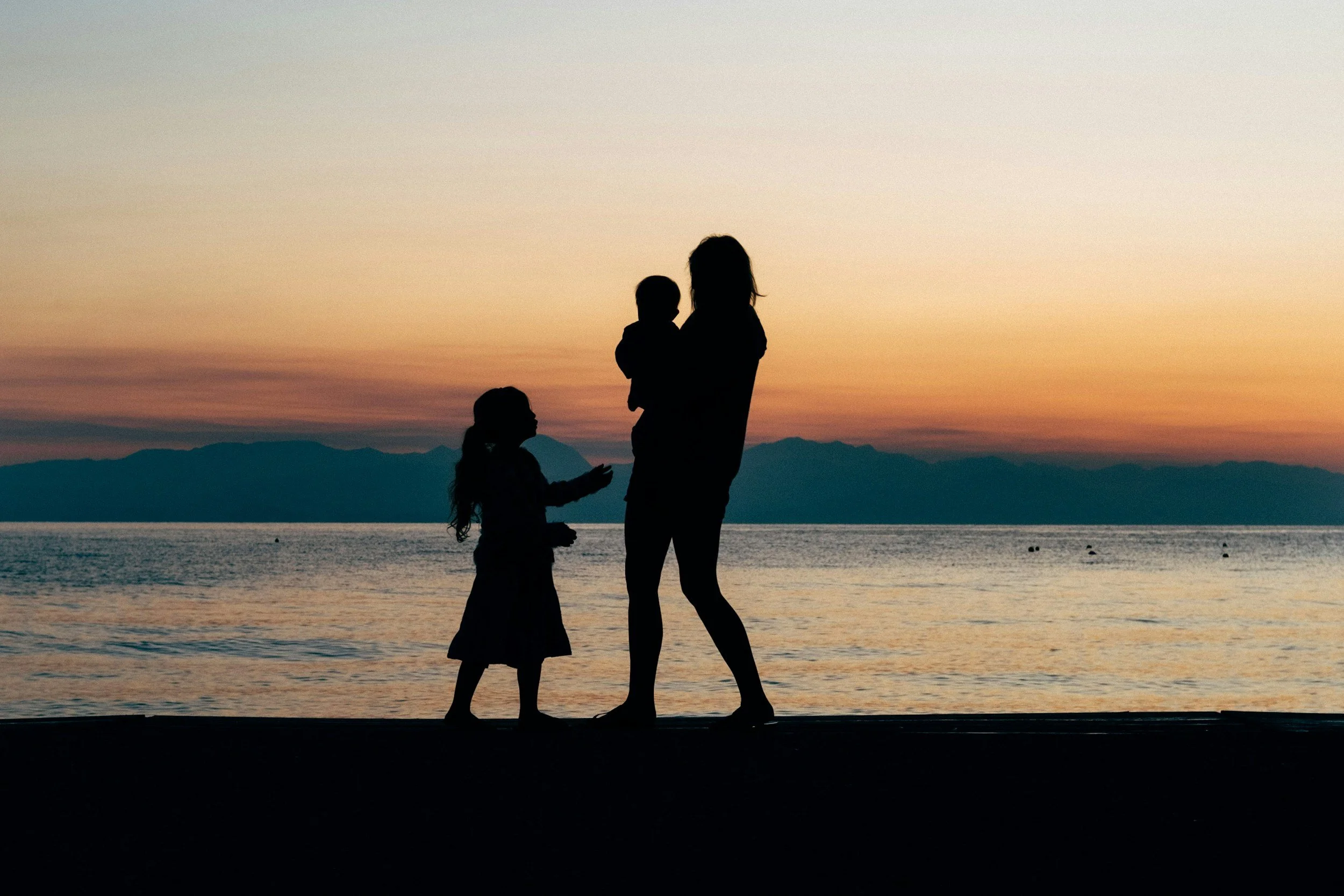
The takeaway
It not that life was better back then - butwe didn't have to do it all. We were allowed to enjoy ordinary moments without turning them into extraordinary ones. So this summer: let’s say a collective F-U to the pressure to do it all. Let's stop trying to create the perfect summer, and instead create one that actually feels good. Slow, unbothered, and entirely yours.

