
This guest post is written by Dr. Cindy Shan, Optometrist at Poco Vision Care.
In the past year, I have officially entered my “Mom Era.” Being a new mom and spending time with new moms, I have become much more aware of just how many little things we worry about when it comes to our children. Are they sleeping enough? Eating enough? Meeting their milestones? Every new smile, movement, and stage of life feels exciting but is often accompanied by new questions. But there's one part of development that often gets overlooked: our children's vision. Many parents assume that if their baby makes eye contact, follows toys, or recognizes familiar faces, their eyesight must be developing normally. Unfortunately, that isn't always the case. As an optometrist, one of the most important things I want parents to understand is that children don't need to be able to talk, read letters, or even recognize pictures to have their eyes examined. And sometimes, the children who seem to see perfectly well are the ones who benefit most from an early eye exam.
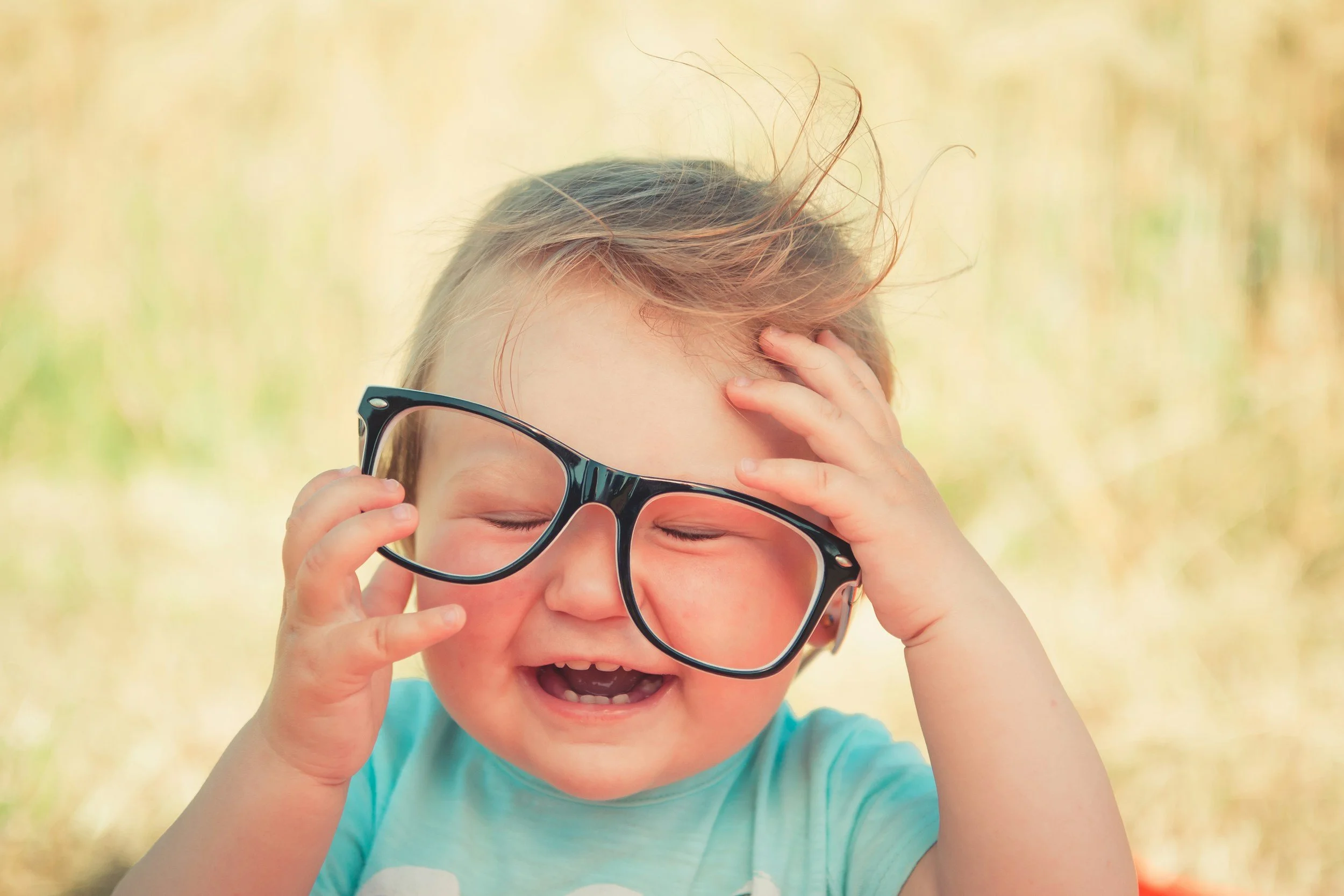
1. Your child doesn't know what "normal" vision looks like
Imagine being born with blurry vision in one eye. You wouldn't necessarily know anything was wrong because you've never experienced anything different.
That's exactly what can happen with young children.
Children are remarkably adaptable. If one eye sees clearly and the other doesn't, they may function perfectly well using their stronger eye. They might run, play, recognize faces, and reach their developmental milestones without showing any obvious signs of difficulty.
However, when one eye consistently provides a clearer image than the other, the brain may begin favouring that eye. Over time, this can contribute to amblyopia, commonly known as "lazy eye."
Luckily, amblyopia is often treatable. However, it must be identified early in childhood. If it is not identified and managed until later on, it can lead to irreversibly reduced vision. This is one of the main reasons why eye exams should not be delayed despite your child’s vision appearing to be normal.
2. We can examine your baby's eyes before they can talk
One of the most common questions parents ask is: “how can you check my baby's vision if they can't tell you what they see?"
We have several techniques that allow us to assess a baby's eyes without needing them to answer questions.
During an infant eye exam, we can:
Check how their eyes respond to light and follow objects.
Assess whether their eyes are aligned and working together.
Estimate their prescription using specialized instruments and light.
Examine the health of their eyes, including structures that aren't visible to parents.
Most of these assessments are performed using lights, toys, and targeted observations.
And don't worry if your little one gets fussy, needs a cuddle, or takes a feeding break. We're used to working around babies being babies!
3. When should your child have their first eye exam?
Here in British Columbia, our provincial association, BC Doctors of Optometry, recommends a baby's first comprehensive eye exam at 6 months of age, followed by another examination during the preschool years and annually once they reach school age.
Why so early?
The first few years of life are a period of rapid visual development. The brain is learning how to interpret the information coming from each eye and clear, balanced visual input is crucial for that process.
Early examinations can help identify significant prescription differences, eye misalignment, and certain eye health concerns before they begin interfering with normal visual development.
Even if your baby seems to see perfectly well, that first examination provides an opportunity to make sure their eyes are developing as expected. Eye exams for babies take very little time, and do not necessarily require dilation drops. If we detect a problem, we will sometimes bring back the children a separate day for dilation drops.
4. Some vision problems don't have obvious warning signs
There are certainly things parents can watch for, including:
An eye that regularly turns inward or outward.
Frequent squinting or closing one eye, or favoring an eye.
Avoiding certain tasks that require focus.
Persistent head tilting when looking at things.
Difficulty following objects or making eye contact as expected for their age.
White coloration of the pupil - this should be evaluated urgently.
But again, many childhood vision problems have no noticeable symptoms.
That's why a comprehensive eye exam is different from simply watching how your child behaves or relying on a vision screening.
A child might pass a basic screening and still have an eye health concern, an eye coordination problem, or a prescription that deserves closer attention.
And while most children will have healthy eyes, identifying the occasional problem early can make a meaningful difference.
5. Eye exams are often covered
In British Columbia, routine eye examinations for children under 19 have some MSP coverage. Each optometry clinic can charge a different fee for exams, but a portion, if not all of the exam, will be covered by MSP.
If your child is insured under your insurance plan, the remaining balance can be billed through insurance and any eyewear that may be required may also be covered.
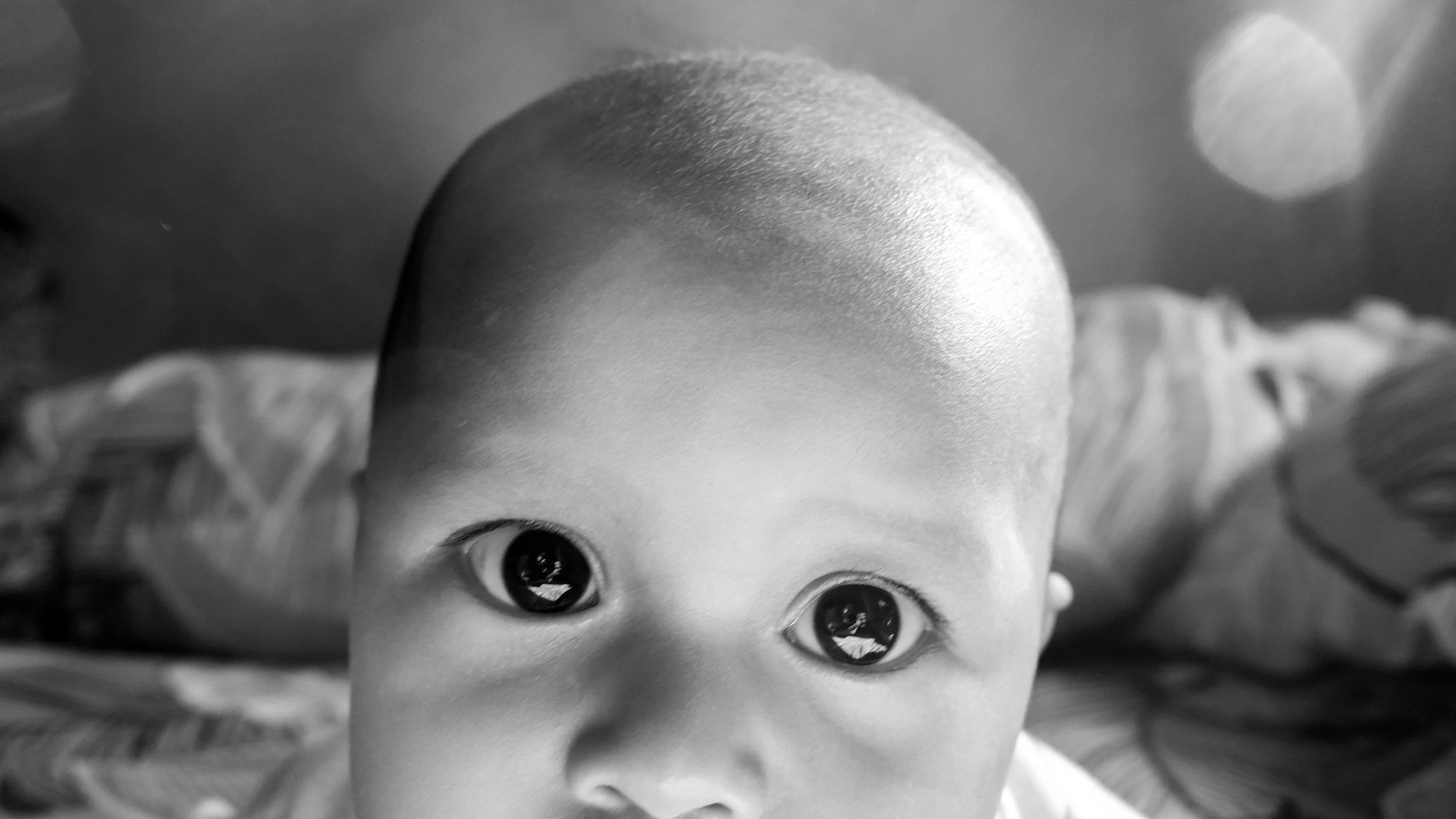
As both an optometrist and a parent, I understand how much we all want to give our children the best possible start. An early eye exam is a simple way to support their development, catch potential concerns, and give yourself a little more peace of mind. After all, there is an incredible world waiting for them to discover. Let's help them experience it to the fullest!
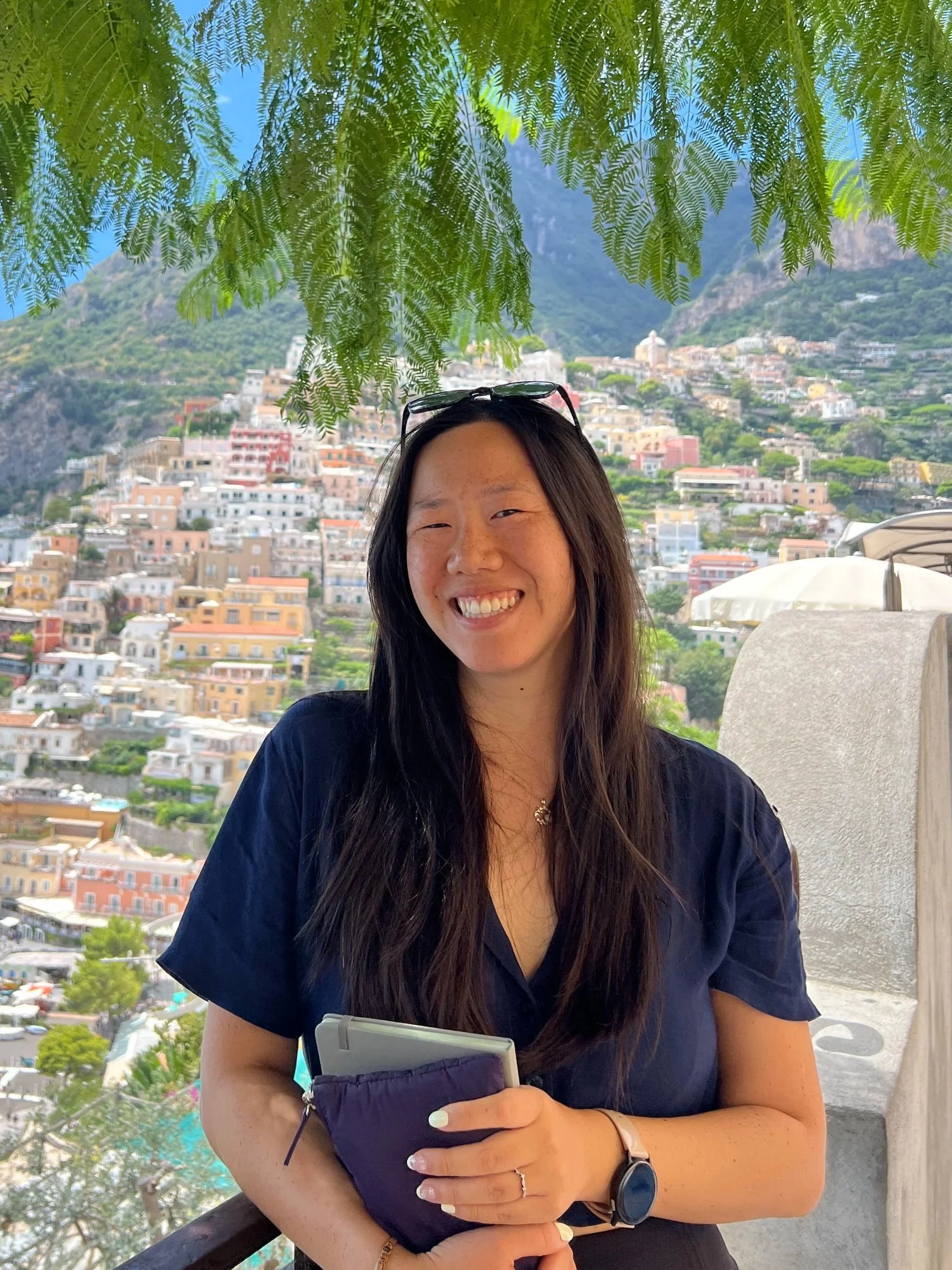
Dr. Cindy Shan
Dr. Cindy Shan is an optometrist practicing at Poco Vision Care in Port Coquitlam, BC. She provides comprehensive eye examinations for patients of all ages, with a particular interest in cornea and contact lens. She completed her Doctor of Optometry degree at the University of Waterloo and her Cornea and Contact Lens Residency at Northeastern State University. She has lectured nationally and internationally, reflecting her commitment to advancing clinical knowledge. She is a member of BC Doctors of Optometry, serving on the continuing education board.
Raised in Burnaby, Dr. Shan is proud to have returned to the Lower Mainland with her son, two cats, and her husband, Dr. Austin Toresdahl (also an optometrist) to serve the Port Coquitlam community. Outside the clinic, she enjoys paddle boarding, hiking local trails with her family, and spending time outdoors.
Learn more or book an eye examination at Poco Vision Care.
